
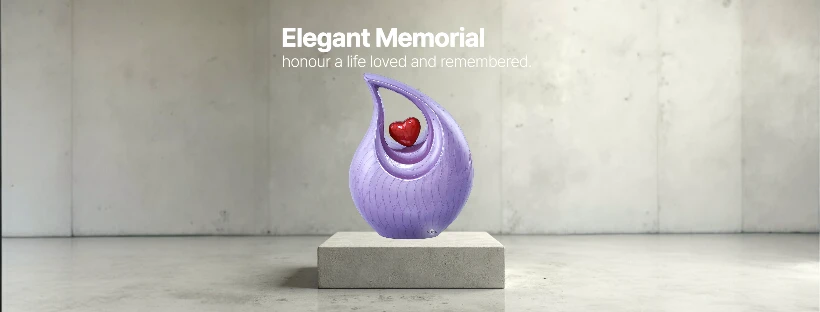
Losing a loved one is an immensely personal journey, and choosing the perfect urn for ashes is a significant step toward honouring their memory. An urn serves not just as a container for remains, but as a lasting tribute, a symbol of the life once lived, and a reflection of the bond shared. With countless styles, materials, and designs available, the process can feel overwhelming. This comprehensive guide aims to simplify your decision-making, walking you through the different options—whether you seek something elegant, traditional, or uniquely personalised. The right and perfect urn for ashes can encapsulate the essence of your loved one, providing a comforting space for remembrance. Join us as we explore how to choose an urn that resonates with your heart, honoring their legacy with grace and dignity.
Understanding the Importance of Choosing the Perfect Urn for Ashes
Choosing the right urn is an integral part of the grieving process, serving as a final resting place for your loved one’s ashes and a tangible representation of their memory. A cremation urn for ashes is more than a simple vessel; it is a symbol of the life lived, encapsulating cherished moments, personal achievements, and the essence of the individual. The selection of an urn can help provide a sense of closure, peace, and continuity, making it an essential decision during a time of loss.
The significance of selecting the appropriate urn lies in its ability to reflect the unique personality and preferences of the departed. Whether the loved one had a passion for nature, a taste for elegance, or a penchant for the traditional, the chosen urn should ideally mirror these attributes. This thoughtful consideration not only honours their memory but also provides comfort to those left behind, offering a visual and emotional connection to the person who has passed away.
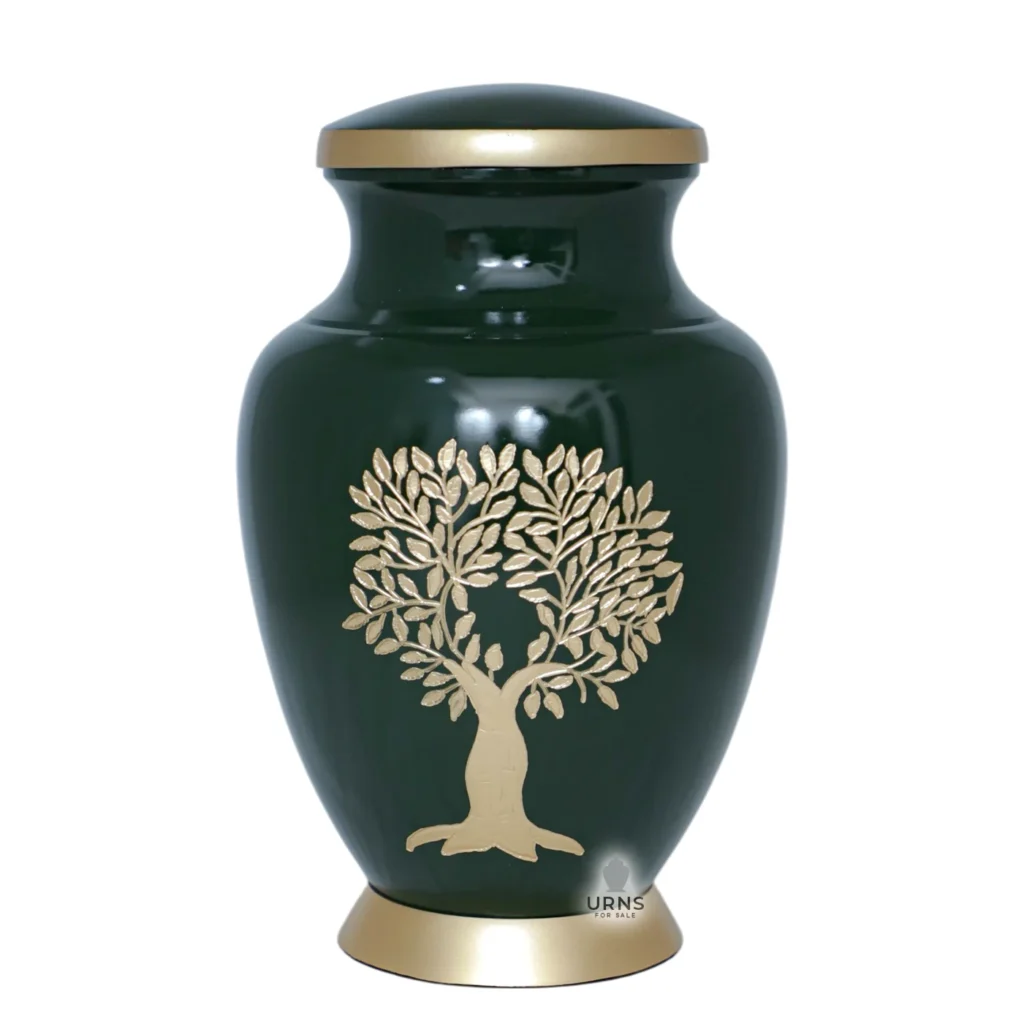
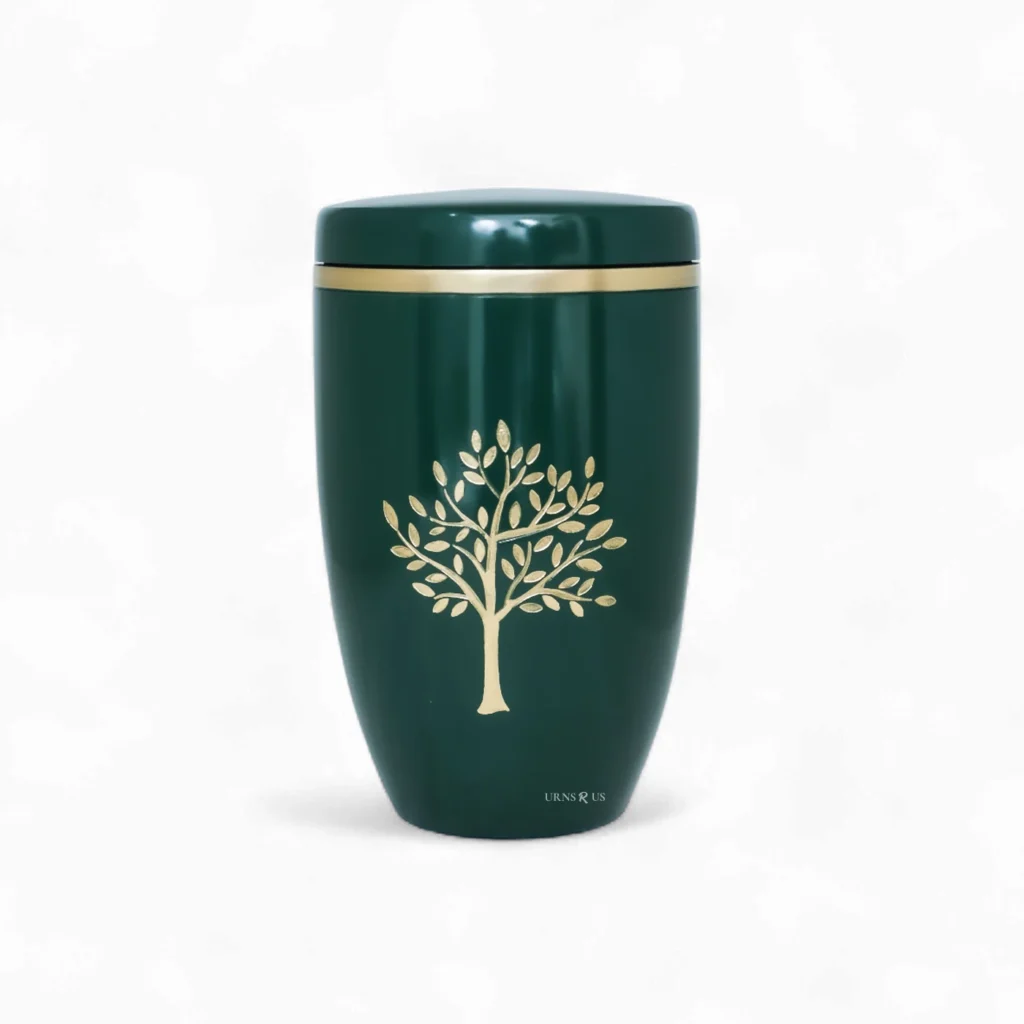
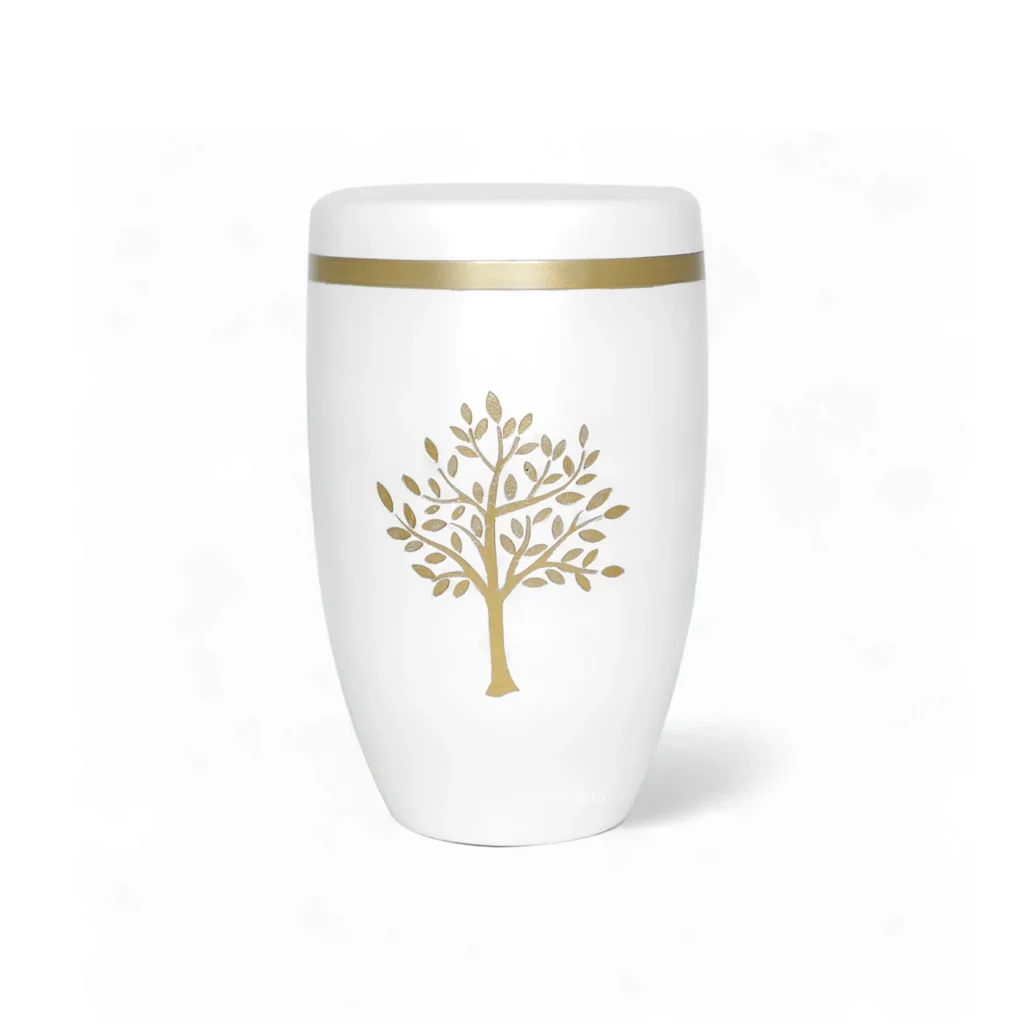
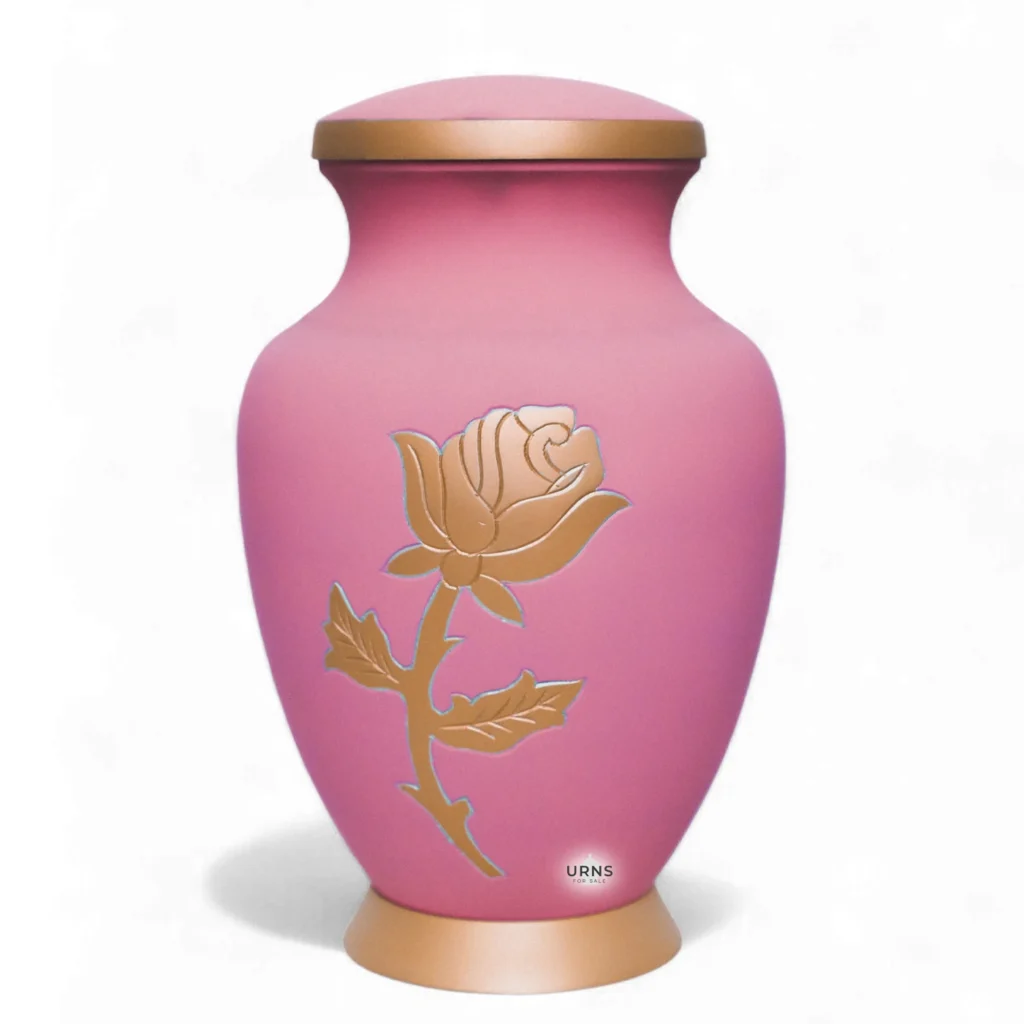
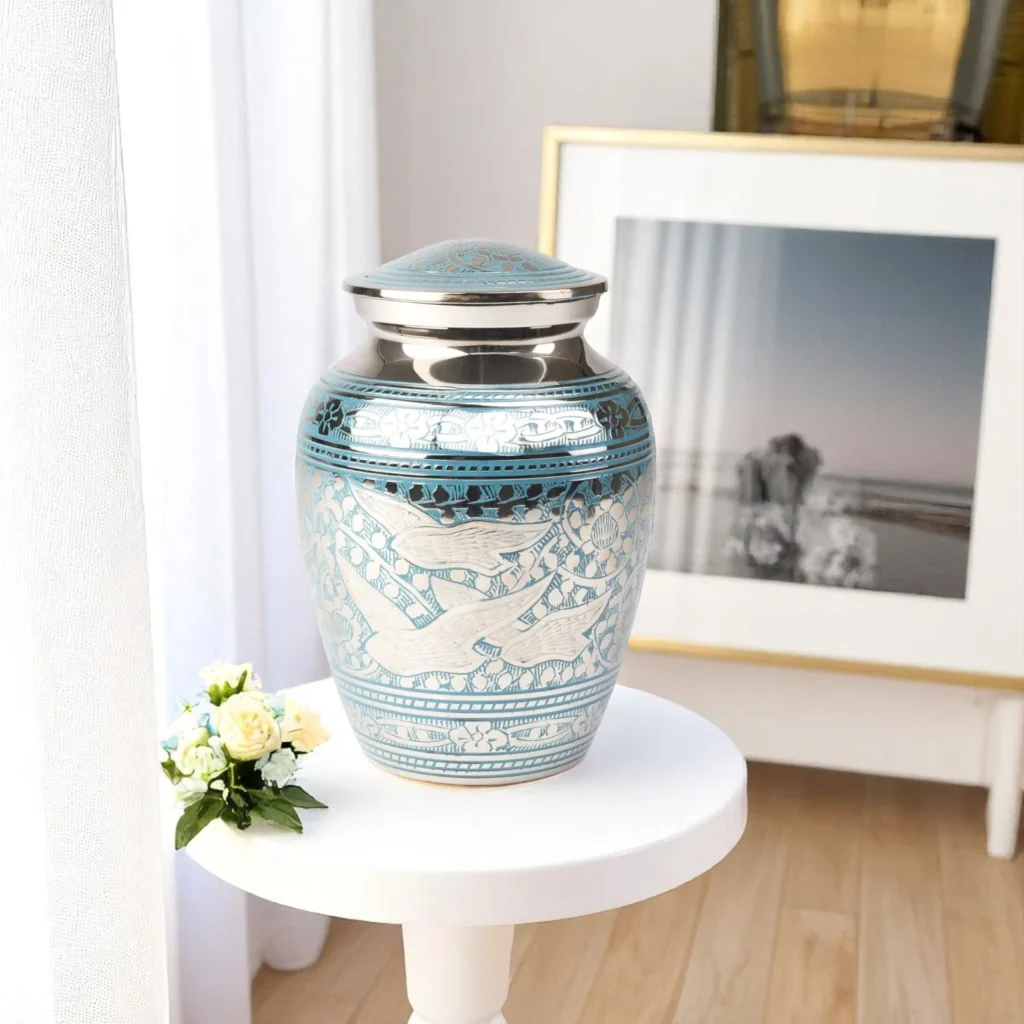
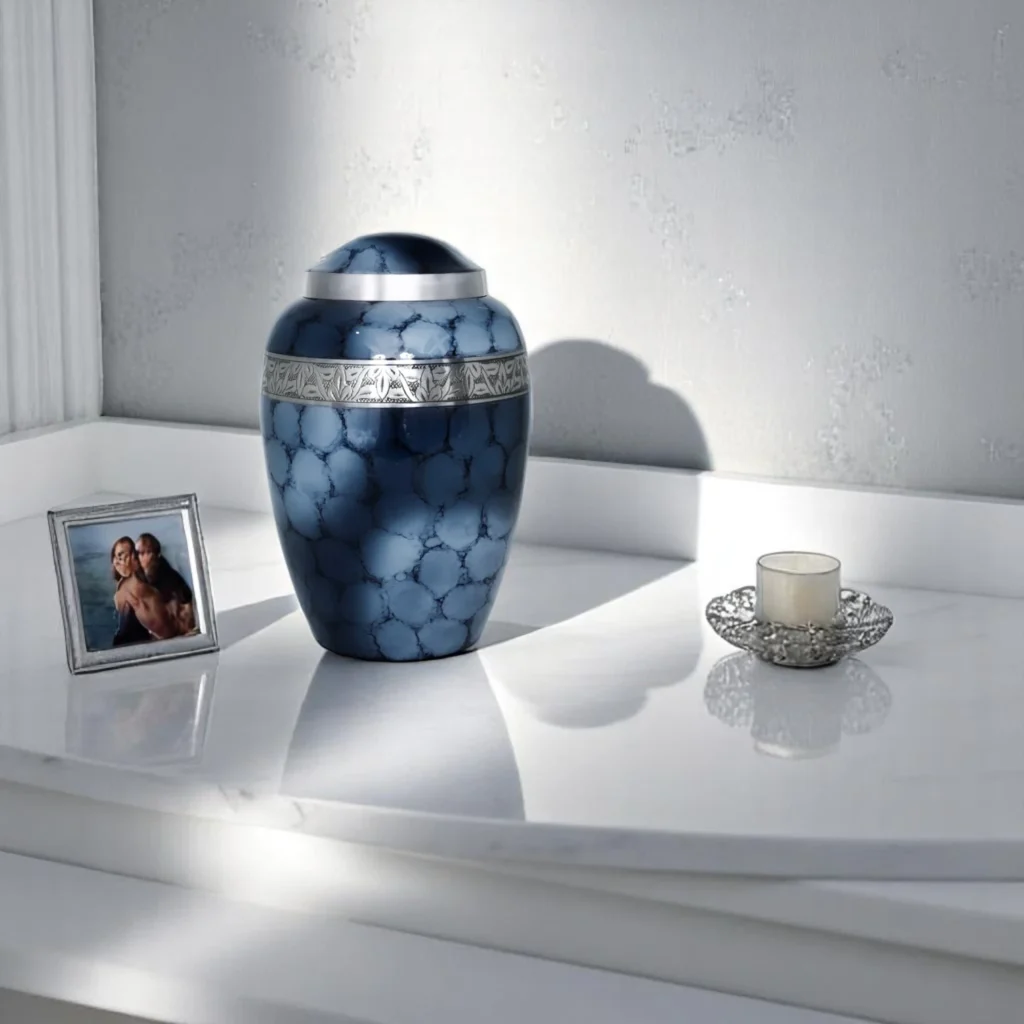
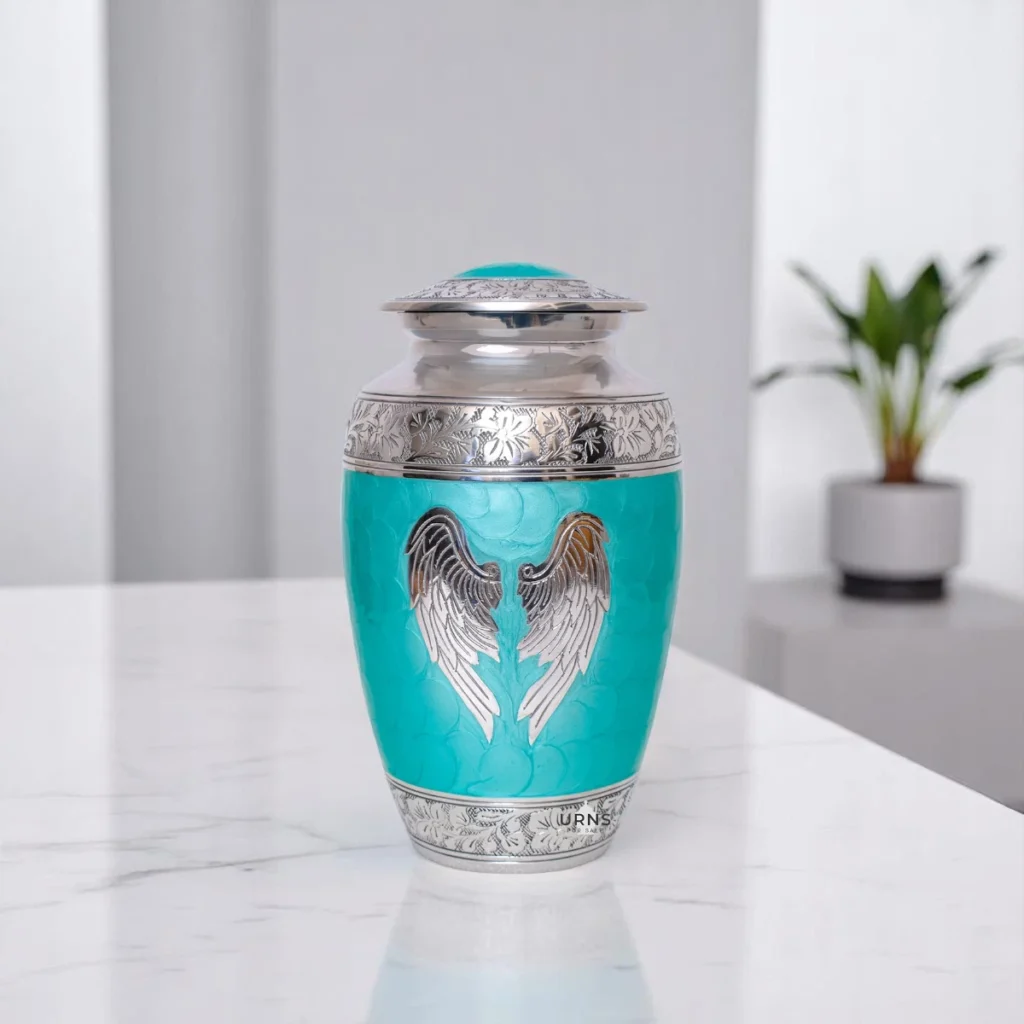
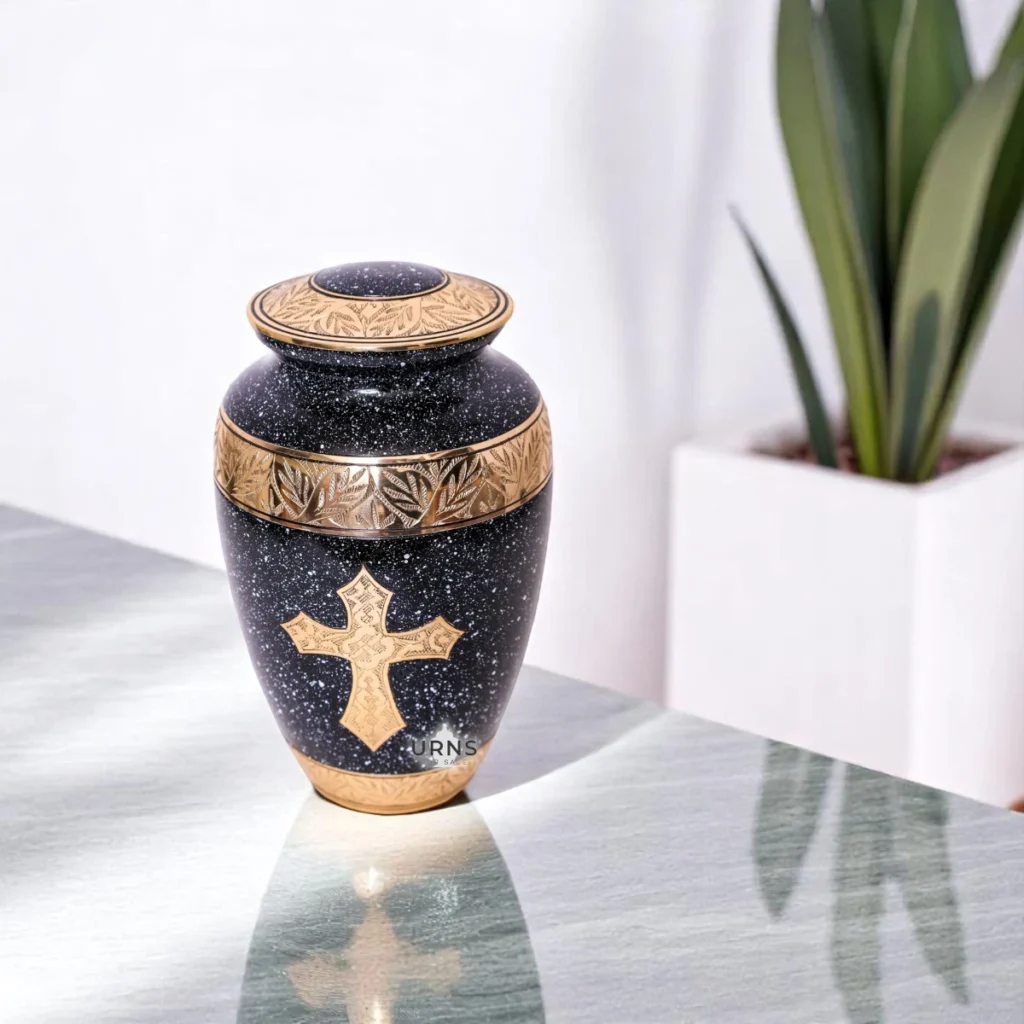
Additionally, the process of choosing an urn can be a therapeutic experience for the bereaved. It offers an opportunity to reminisce, to engage with memories, and to think deeply about what would best represent the individual’s life. This act of remembrance can be a healing journey, fostering a sense of closeness and continuity even in the face of loss. By taking the time to select the perfect urn, you create a lasting tribute that honors and celebrates your loved one’s legacy.
Types of Urns: A Detailed Overview
Urns come in a wide variety of types and styles, each offering unique features and aesthetic qualities. Understanding the different types available can help you find one that aligns best with your needs and preferences. Traditional urns, often made from materials like ceramic, metal, or wood, offer timeless designs that can be displayed prominently in a home or stored in a columbarium. These classic urns can range from simple and understated to intricately designed pieces of art.
For those seeking something more personalised, custom urns provide a way to incorporate specific elements that hold special significance. Customisation options may include engravings, photo inlays, or unique shapes that represent a hobby or passion of the deceased. These personalised urns can be crafted to reflect the individual’s personality, making them a distinct and meaningful tribute.
Another category is biodegradable urns, which are designed to break down naturally over time. These urns are ideal for those who wish to return their loved one’s remains to the earth in an eco-friendly manner. Biodegradable urns are often used for water burials or natural burials, aligning with the environmental values of the deceased or their family. Additionally, keepsake urns, which are smaller and designed to hold a portion of the ashes, allow multiple family members to share a tangible piece of their loved one’s memory.
Factors to Consider When Selecting Perfect Urn for Ashes
Several factors should be taken into account when selecting an urn to ensure it meets your needs and appropriately honors your loved one. One of the primary considerations is the intended use of the urn. Will it be displayed in your home, buried, or placed in a columbarium? The setting will influence the type of material and design that are most suitable. For example, an urn intended for outdoor display should be made from durable materials that can withstand the elements.
Another important factor is the size of the urn, which should correspond with the amount of ashes it needs to hold. Urn capacities are typically measured in cubic inches, with one cubic inch approximately equating to one pound of body weight. Ensuring the urn is appropriately sized is crucial to avoid any issues with fitting the ashes. Additionally, consider whether you need a single urn, companion urn, or multiple keepsake urns to accommodate the needs of all family members.
The aesthetic appeal and design of the urn are also significant considerations. The urn should reflect the personality and preferences of the deceased, as well as the tastes of the family. Whether you prefer a minimalist design, a piece of fine art, or something in between, the visual aspect of the urn can provide comfort and serve as a fitting tribute. Lastly, budget constraints will also play a role in your decision. Urns come in a wide range of prices, so it is important to find one that meets your requirements without causing financial strain.
Materials Used in Urn Manufacturing
Urns are crafted from a diverse array of materials, each offering unique characteristics and aesthetic qualities. Metal urns, such as those made from brass, bronze, or aluminium, are popular for their durability and timeless appeal. These materials can be finished with various coatings and engravings to enhance their appearance, making them suitable for both display and burial. Metal urns are often chosen for their strength and ability to withstand the test of time.
Wooden urns provide a warm and natural look, often crafted from hardwoods like oak, cherry, and walnut. The grain patterns and rich tones of wood make each urn unique, offering a sense of individuality and craftsmanship. Wooden urns can be intricately carved or left with a smooth, polished finish, depending on personal preference. They are ideal for indoor display and can evoke a sense of home and nature.
Ceramic and porcelain urns are celebrated for their artistic potential and delicate beauty. These urns can be hand-painted, glazed, and adorned with intricate designs, making them true works of art. The fragility of ceramic and porcelain, however, means they are best suited for indoor display. For those seeking environmentally-friendly options, biodegradable materials such as paper, sand, and cornstarch are available. These urns are designed to break down naturally, aligning with eco-conscious values and providing a sustainable way to honor your loved one.
Personalisation Options for Urns
Personalising an urn can transform it from a simple container into a meaningful tribute that captures the essence of your loved one. One of the most common personalisation options is engraving. You can choose to engrave names, dates, quotes, or even images onto the urn. This can provide a lasting reminder of the individual’s life and the special moments shared. Engraving can be done on various materials, including metal, wood, and stone, each offering a different aesthetic.
Photo inlays are another popular way to personalise an urn. By incorporating a photograph of the deceased, you create a visual connection that can be comforting to family and friends. These inlays can be placed on the surface of the urn or embedded within a frame, depending on the design. Some urns also offer the option to include spaces for multiple photos, allowing for a more comprehensive depiction of the person’s life.
For a truly unique tribute, custom-shaped urns are available. These urns can be designed to reflect a specific interest or passion of the deceased, such as a musical instrument, sports equipment, or a favourite animal. This level of customisation ensures that the urn is not only a resting place for the ashes but also a representation of the individual’s personality and legacy. Additionally, incorporating elements such as favourite colours, symbols, or motifs into the design can further personalise the urn and make it a cherished keepsake.
Urn Sizes and Capacities Explained
Understanding the sizes and capacities of urns is crucial to selecting the right one for your needs. Urn capacities are generally measured in cubic inches, with one cubic inch representing approximately one pound of body weight. This measurement ensures that the urn can adequately hold the ashes of the deceased. For example, a person who weighed 150 pounds would require an urn with a capacity of at least 150 cubic inches.
Standard-sized urns are typically designed to hold the ashes of a single adult, with capacities ranging from 150 to 300 cubic inches. These urns are suitable for most individuals and are available in a wide variety of styles and materials. For couples who wish to be memorialized together, companion urns offer a larger capacity, often around 400 to 600 cubic inches, to accommodate the ashes of two individuals. These urns can be designed as a single container with two compartments or as two separate, matching urns.
Keepsake urns and sharing urns are smaller in size and designed to hold a portion of the ashes. These are ideal for families who wish to divide the ashes among multiple members or keep a small amount of the ashes in a special place, such as a locket or a small display urn. Keepsake urns typically range from 1 to 50 cubic inches, providing a versatile option for those who want to share the memory of their loved one in different ways. Understanding these sizes and capacities will help you select an urn that fits your specific needs and ensures that your loved one’s ashes are properly cared for.
Cultural and Religious Considerations in Urn Selection
Cultural and religious beliefs play a significant role in the selection of an urn, as different traditions have specific practices and preferences for handling and storing ashes. For example, in Hinduism, the ashes are typically scattered in a sacred river, and biodegradable urns made from materials like clay or paper may be preferred to facilitate this ritual. These urns allow the ashes to be returned to nature in a respectful and environmentally-friendly manner.
In contrast, many Christian denominations may prefer to keep the ashes in a columbarium or bury them in a cemetery, often in a family plot. In these cases, sturdy and durable urns made from materials like marble, granite, or metal are commonly chosen to ensure the urn withstands the elements and remains a lasting tribute. Additionally, religious symbols such as crosses, angels, or doves can be incorporated into the design to reflect the individual’s faith.
Buddhist traditions often involve keeping the ashes in a temple or a special altar at home. The urns used in these practices are typically ornate and may include symbols of peace, enlightenment, and rebirth. The design and material of the urn may also be influenced by the aesthetic principles of the culture, such as simplicity and natural beauty in Japanese Buddhism. Understanding and respecting these cultural and religious considerations will help ensure that the urn chosen aligns with the beliefs and values of the deceased and their family.
Where to Buy Urns: Online vs. Local Options
When it comes to purchasing an urn, there are several options available, each with its own advantages. Buying an urn online offers a wide selection of styles, materials, and customization options, often at competitive prices. Online retailers typically provide detailed descriptions, high-quality images, and customer reviews, making it easier to compare and make an informed decision from the comfort of your home. Additionally, many online stores offer expedited shipping, ensuring the urn arrives in a timely manner.
Local funeral homes and crematoriums are another option for purchasing an urn. These establishments often have a selection of urns on display, allowing you to see and feel the products before making a decision. The staff at these facilities can provide personalized assistance and guidance, helping you choose an urn that meets your needs and preferences. Buying locally also supports your community and can ensure a quicker turnaround time for receiving the urn.
Specialty stores and artisans offer unique and handcrafted urns that may not be available through larger retailers. These one-of-a-kind pieces can add a personal touch and serve as a distinctive tribute to your loved one. Whether you choose to buy online, from a local provider, or a specialty store, it is important to research and ensure that the seller is reputable and offers quality products. This will help ensure that the urn you select is a fitting and lasting tribute to the memory of your loved one.
Caring for and Maintaining Your Urn
Proper care and maintenance of your urn are essential to preserving its appearance and ensuring it remains a dignified tribute to your loved one. The care required will depend on the material of the urn. Metal urns, such as those made from brass or bronze, should be cleaned with a soft cloth and a gentle, non-abrasive cleaner to avoid scratching the surface. To maintain their luster, you may also use a metal polish specifically designed for the type of metal.
Wooden urns require a different approach, as they are susceptible to changes in temperature and humidity. It is important to keep wooden urns away from direct sunlight and in a stable environment to prevent warping or cracking. Regular dusting with a soft, dry cloth will help maintain their appearance, and occasional use of a wood polish can enhance the natural beauty of the wood. Avoid using water or harsh chemicals, as these can damage the wood’s finish.
Ceramic and porcelain urns, while delicate, can be easily maintained by gently wiping them with a damp cloth. It is important to handle these urns with care, as they can chip or break if dropped. For biodegradable urns, minimal maintenance is required, as they are designed to break down naturally over time. Regardless of the material, it is essential to handle the urn with respect and care, ensuring it remains a fitting and honorable representation of your loved one’s memory.
Conclusion: Honoring Your Loved One with the Perfect Urn
Choosing the perfect urn for your loved one’s ashes is a deeply personal and significant decision, one that provides a lasting tribute to their memory. By understanding the importance of this choice, exploring the various types of urns, and considering factors such as material, size, and personalization options, you can find an urn that truly reflects the essence of the individual. This thoughtful selection process not only honors their legacy but also offers comfort and a tangible connection for those left behind.
Cultural and religious considerations play a crucial role in ensuring that the urn aligns with the beliefs and values of the deceased and their family. Whether you choose to purchase an urn online, from a local provider, or a specialty store, it is important to ensure the quality and reputation of the seller. Proper care and maintenance of the urn will help preserve its appearance and dignity, making it a lasting tribute to your loved one.
Ultimately, the right urn serves as a symbol of the life once lived, encapsulating cherished memories and the bond shared. It provides a comforting space for remembrance, allowing you to honor your loved one with grace and dignity. By taking the time to choose an urn that resonates with your heart, you create a meaningful and enduring tribute that celebrates their legacy and offers solace in times of loss.


